
Tarova: Astral Tarot & Zodiac
AI TranslatorPersonalization
4.617.00 Reviews
- Version
- 1.1.12
- Installs
- 100.00K
- Age Rating
- Everyone
Screenshots
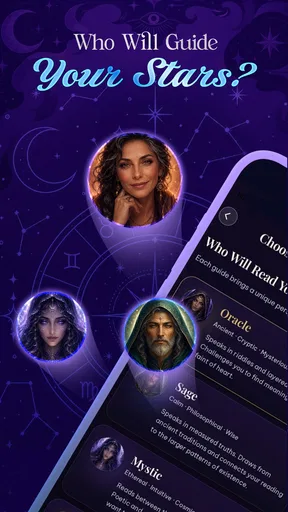
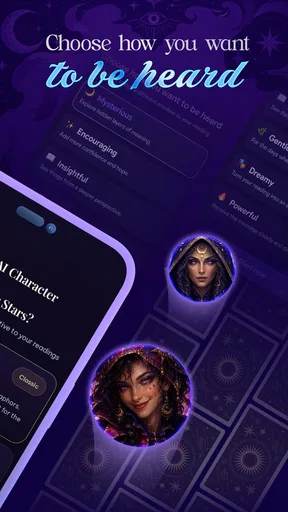

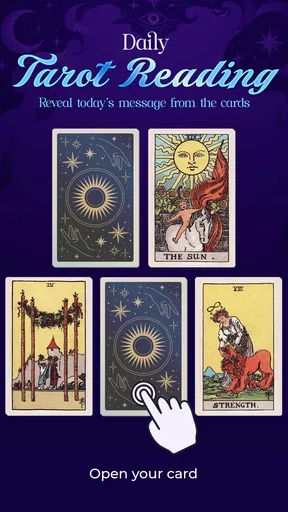
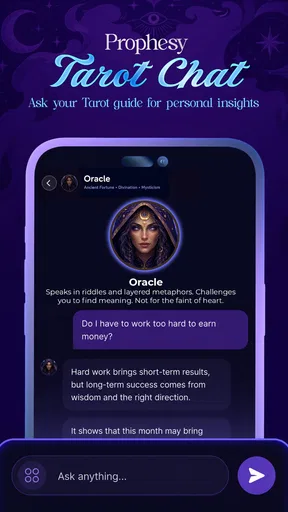
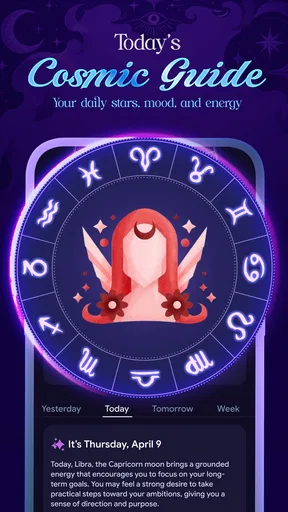


Our Review of Tarova: Astral Tarot & Zodiac
 Analysis by Appyee
I approached Tarova: Astral Tarot & Zodiac as a small daily companion rather than a serious replacement for a tarot reader or an astrology service. Its focus is easy to understand: tarot, horoscope content, love compatibility, and guidance presented through an AI oracle. That combination makes it appealing when I want a quick reflective prompt on my phone, especially at the start of the day or when I am stuck between two choices.
The app sits in the personalization category, and that description fits better than calling it a game. I found the experience more about shaping a private routine and interpreting suggestions than chasing scores or completing tasks. It is free to install, aimed at Everyone, and developed by AI Translator. The current release is version 1.1.12, with Android support beginning at version 8.0, so it should be accessible on many older devices as well as newer phones.
How the experience feels when the connection is good
The most important thing to understand is that Tarova depends on the quality of the moment in which you use it. A connected phone makes the app feel immediate: open it, choose the kind of guidance you want, read the result, and decide whether it gives you something useful to think about. That simplicity is its strongest quality. I do not need to prepare a spread, learn a complicated interface, or spend a long time setting up a session.
That convenience also changes how I interpret the results. I am less likely to treat a short reading as a complete answer and more likely to use it as a prompt. A tarot message can help me name a concern, while a horoscope can provide a broad theme for the day. The AI oracle angle is most interesting when I ask myself why a particular suggestion feels relevant, rather than assuming the app has made a factual prediction.
Love compatibility is a different kind of use. It is naturally more conversational and personal than a general daily horoscope, but it can also invite overconfidence. I would use that section to start a discussion or reflect on communication styles, not to make an important relationship decision based on a single result. The app is at its best when it encourages curiosity without pretending that a symbolic reading can replace direct conversation.
In practical terms, the network connection matters because the experience is built around generated guidance and current interactions with the app. If the connection is weak, the delay itself can interrupt the mood. A reading that should feel like a quick private ritual becomes less engaging when I am staring at a loading state. This is not a problem unique to Tarova, but it is more noticeable here because the whole appeal is immediacy.
A useful morning routine, not an all-day distraction
My preferred way to use it is to set a narrow purpose before opening it. I might check a daily horoscope while having coffee, then write down one phrase that applies to the day. Another useful routine is to choose one question before opening the oracle feature and compare the response with my own first reaction. This prevents me from repeatedly refreshing or asking the same thing until I receive an answer I like.
That restraint is important. Apps built around readings can become repetitive if I keep looking for certainty. Tarova works better as a once-a-day reflection tool than as something I constantly consult. The short format makes it easy to fit into a commute, a lunch break, or a quiet moment before bed, but that same convenience can encourage overuse if I treat every small decision as something requiring an oracle response.
A less obvious advantage of using it this way is that the phone becomes a boundary around the ritual. The app does not need to dominate my attention. I can read one result, take a screenshot or note if I want to remember the theme, and close it. That workflow makes the experience more useful than endlessly browsing generalized zodiac posts, because I am creating a deliberate pause instead of consuming a stream of disconnected content.
What changes on a mobile device
Tarova makes the most sense on a phone because tarot and horoscope checks are naturally brief. I can use it while sitting on a train, waiting for an appointment, or taking a break from work. The small-screen format also supports the app’s intimate tone: I am reading something privately rather than displaying it to a group.
There is a trade-off, though. Mobile convenience can make the guidance feel more authoritative than it deserves. A polished card or neatly phrased oracle response has visual and emotional weight, even when it should be treated as interpretation. I recommend reading the result once, asking what it brings to mind, and then putting the phone away. That keeps the app in the role of a reflective aid instead of allowing it to steer the entire day.
For people who enjoy journaling, a simple two-step workflow works well. First, read the daily material without trying to force it to match a specific event. Then, later in the day, note whether the theme helped you notice anything. This approach gives the content a practical purpose while avoiding the habit of retrofitting every ordinary event to a prediction.
On an older Android phone, the minimum operating-system requirement is Android 8.0. That is helpful for users who do not upgrade devices often. Still, compatibility is not the same as a consistently smooth experience. Available memory, background activity, and the strength of the current connection can affect how comfortable any online-focused app feels, so I would keep other heavy apps closed if Tarova seems slow.
When the connection fails or the result is interrupted
Connectivity is the main point where the otherwise simple experience can become frustrating. A weak signal may leave a reading waiting, interrupt a transition, or force me to try again. Because the app’s value is concentrated in short sessions, even a small interruption feels disproportionately annoying. I would not open it in a place where I need an immediate answer and cannot tolerate a delay.
My practical recovery routine is straightforward: wait rather than tapping repeatedly, check whether the phone has a stable connection, and reopen the app if the session does not complete. Repeated taps can make it harder to tell whether the problem is the network or the interface. If I am in a hurry, I simply postpone the reading instead of turning a reflective moment into a technical troubleshooting exercise.
This is also where Tarova differs from a physical tarot deck or a saved astrology book. A deck is available whenever I want it and does not depend on a service responding. A book offers a slower but more predictable reference experience. Tarova wins on convenience and variety of formats, but it cannot offer the same certainty of access as an offline object. I would keep that distinction in mind before making it part of a daily ritual in places with unreliable reception.
Recovery is easier when I avoid treating a failed attempt as meaningful. If a result does not load, that is a connectivity problem, not a mysterious sign. Starting again later is healthier than trying to interpret an incomplete session. This may sound obvious, but it is an important habit for an app whose content is designed to feel personal and significant.
Using the app without giving it too much personal weight
The data-conscious way to use Tarova is to share only what is necessary for the feature I actually want. I would avoid entering private relationship details, sensitive names, or deeply personal circumstances unless the app clearly requires them and I am comfortable doing so. A broad question often produces a more useful reflection than a detailed account of someone’s private life anyway.
I also recommend checking the wording of any permission or account request before accepting it, especially if the app asks for information beyond what seems relevant to a horoscope, compatibility reading, or oracle prompt. The fact that an app feels spiritual or personal does not mean it should automatically receive more personal context. Keeping questions general gives me more control over my digital footprint and does not prevent me from thinking seriously about the response.
Another useful habit is to separate entertainment from advice. I would never use a Tarot or zodiac result as the sole basis for a medical, financial, legal, or safety decision. For relationship questions, I would use compatibility content as a conversation starter, then rely on honest communication and observable behavior. For work or personal choices, the oracle can help me list concerns, but it should not replace practical research.
The free price makes experimentation easy, but in-app purchases range from $1.49 to $49.99 per item. That is a wide enough range that I would pay close attention before confirming anything. I would first use the free experience long enough to decide whether the tone, pacing, and type of guidance suit me. If a paid item appears, I would check exactly what it unlocks and whether it improves my routine rather than simply encouraging more frequent readings.
This is one of the app’s clearest trade-offs. A free entry point lowers the barrier to trying it, while optional purchases can make the experience more expensive for users who become attached to daily guidance. I would set a personal spending limit in the device’s purchase controls and avoid buying while feeling anxious or emotionally vulnerable. A reading should not become an impulse purchase made in the hope of receiving a more reassuring answer.
Who will enjoy Tarova, and who should choose something else
I think Tarova is a good match for someone who enjoys astrology and tarot as reflective practices, wants a compact mobile experience, and is comfortable treating AI-generated guidance as interpretation. It is also suitable for a curious beginner who wants to explore daily prompts without immediately buying a physical deck or learning a full tarot system.
It is less suitable for someone looking for rigorous astrological calculations, a professional consultation, or a detailed educational course on tarot symbolism. The app’s appeal is accessibility, not scholarly depth. Someone who wants to study card meanings, construct spreads manually, or compare multiple established interpretations may be happier with a dedicated tarot reference app or a physical deck and guidebook.
I would also hesitate to recommend it to anyone who tends to become dependent on predictions. If checking a horoscope repeatedly increases anxiety, or if compatibility results start replacing real conversations, the app is not serving a healthy purpose. In that situation, a journaling app, a mindfulness tool, or a simple notes page would be a better alternative because it encourages self-reflection without presenting an oracle-style response.
Compared with general horoscope feeds, Tarova feels more focused because it brings several related formats into one place. Compared with a human reader, it is faster, cheaper to try, and available on demand, but it lacks the nuanced back-and-forth that comes from explaining a situation to another person. Compared with a physical deck, it is more convenient and less tactile. The right choice depends on whether I value instant access or the slower, more deliberate process of doing a reading myself.
Popularity, access, and expectations
The app has passed 100K installs and holds a 4.6 average from around 951 ratings, which suggests that many users find the concept appealing. Those figures are useful context, but they do not tell me whether every reading will feel personally relevant. Spiritual and personalization apps are subjective by nature, so I would treat the rating as a reason to try the app, not as proof that its interpretations will match my expectations.
Its Everyone content rating makes the app approachable for a broad audience, although an age label does not remove the need for sensible boundaries around emotional topics. Younger users in particular should understand that compatibility and oracle guidance are not reliable substitutes for support from a trusted adult or qualified professional when the issue is serious.
The release date is Jun 5, 2026, and the current version is 1.1.12. I would keep the app updated through the normal store process, especially because connection-dependent experiences can change as developers improve stability. If an update alters the layout or the way readings are presented, I would take a few sessions to reassess whether the new flow still feels clear rather than assuming every change is automatically better.
My connectivity verdict
Tarova succeeds when I want a quick, private prompt and have a dependable connection. Its strongest use is not predicting the future; it is helping me pause, frame a question, and notice what I already think. The combination of tarot, horoscope material, love compatibility, and AI oracle guidance gives the app more variety than a single-purpose daily horoscope, while keeping the interaction light enough for a phone.
The limitations are just as important. Network interruptions can break the mood, generated guidance should not be mistaken for expert advice, and the broad in-app purchase range deserves careful attention. I would also avoid using it as a constant reassurance machine. The best results come from setting a clear intention, reading once, reflecting briefly, and returning to ordinary evidence and conversation.
My recommendation is therefore measured but positive: try it if you enjoy symbolic guidance and want an accessible mobile ritual, especially if you are happy to keep your questions general and your expectations realistic. Skip it if you need offline reliability, formal astrological analysis, or decisions grounded in professional expertise. For me, the real value is the pause it creates, not the promise of certainty. That makes it a pleasant personalization app when used with curiosity, a stable connection, and a little healthy distance.
Verdict
Strengths of Tarova: Astral Tarot & Zodiac
- Personalized tarot and zodiac readings are easy to access anytime.
- Clean, mystical design makes the app pleasant to browse.
- Useful for beginners learning basic tarot card meanings.
- Daily guidance can encourage regular reflection and journaling.
- Combines tarot, astrology, and zodiac content in one app.
Limitations of Tarova: Astral Tarot & Zodiac
- Readings may feel generic without deeper personal context.
- Some features or interpretations may require a subscription.
- Frequent notifications could become distracting for some users.
- Results should not replace professional advice or important decisions.
- The spiritual content may not appeal to users seeking factual guidance.
Similar Picks in This Category
View All
Microsoft SwiftKey AI Keyboard
SwiftKey4.3

Wallpapers
Google LLC4.1

Zedge™ Wallpapers & Ringtones
Zedge4.7

Yandex Browser with Alice AI
Direct Cursus Computer Systems Trading LLC4.3

Ringtone Maker:create ringtone
Big Bang Inc.4.7

Fonts Keyboard
Fonts Keyboard3.9
Frequently Asked Questions
What is Tarova: Astral Tarot & Zodiac?
Tarova: Astral Tarot & Zodiac is a spiritual and entertainment app that combines tarot readings with zodiac-based insights. It is designed for users who enjoy exploring symbolic card meanings, daily guidance, personality themes, and astrology-inspired reflections. The app should be viewed as a tool for self-reflection and entertainment rather than a substitute for professional advice or guaranteed predictions about important life decisions.
How does a tarot or zodiac reading work in Tarova?
After opening the app, users can typically choose a reading or astrology-related feature and follow the on-screen instructions. Tarot readings may involve selecting or drawing virtual cards, while zodiac content is generally based on your birth sign and, depending on the feature, additional personal details. The results offer interpretations and prompts for reflection, so the experience can vary according to the question, spread, and information provided.
Is Tarova: Astral Tarot & Zodiac free to download and use?
The app may be available to download at no initial cost, but some readings, advanced interpretations, personalization options, or other features can require in-app purchases or a subscription. Before confirming a payment, check the store listing and the purchase screen carefully for pricing, renewal terms, and trial conditions. Availability and costs may also differ between Android and iOS or by region.
Does Tarova require my personal information?
Tarova may request information such as your zodiac sign, birth date, birth time, or location to personalize astrology-related content. Some features may also require an account or access to device permissions. Before entering sensitive information, review the app’s privacy policy and the permissions requested in the relevant app store. Avoid sharing details you are uncomfortable providing, especially if they are not necessary for the feature you want to use.
Can I rely on Tarova’s tarot and astrology readings for important decisions?
Tarot and zodiac readings in Tarova are best treated as reflective, inspirational, or entertainment content. They are not scientifically verified predictions and should not replace qualified medical, financial, legal, psychological, or relationship advice. If a reading concerns a serious personal situation, use it only as a prompt for thought and consult an appropriate professional before making decisions that could affect your health, safety, finances, or future.
